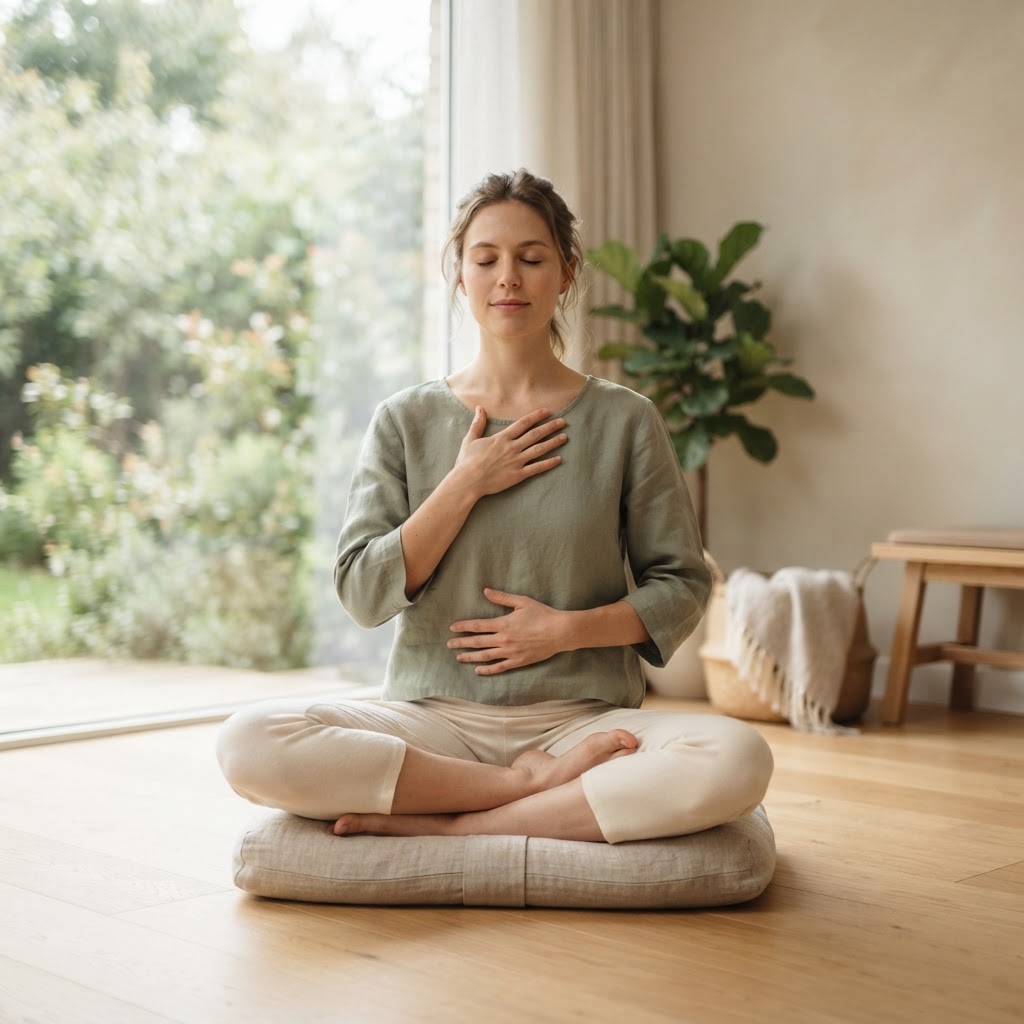
In a world of perpetual sensory input and chronic stress, the human body often remains trapped in a physiological state of "fight or flight." By mastering the biomechanical connection between the diaphragm and the vagus nerve, we can intentionally shift our internal chemistry from a state of emergency to one of restorative calm.
Key Takeaways
- The diaphragm acts as a mechanical bridge between the somatic nervous system and the autonomic nervous system via the vagus nerve.
- Proper diaphragmatic excursion stimulates the vagus nerve, which significantly increases heart rate variability (HRV), a key metric for stress resilience.
- Chronic shallow breathing patterns contribute to a hyper-aroused sympathetic state, which can lead to systemic inflammation and cognitive fatigue.
- Integrating targeted breathwork, supported by tools like a heart rate variability monitor, allows for objective tracking of nervous system downregulation.
- Sustained practice of specific respiratory techniques facilitates "vagal tone," improving the body's ability to return to baseline after stress.
The Anatomy of the Breath: Beyond Simple Oxygenation
Respiration is rarely discussed as a mechanical act, yet it is the primary engine of our internal state. The diaphragm, a dome-shaped muscle located at the base of the thoracic cavity, is not merely a pump for air; it is a profound influence on the vagus nerve. According to the Cleveland Clinic, the diaphragm's rhythmic descent into the abdominal cavity creates a pressure differential that physically massages the organs and stimulates the vagus nerve as it passes through the esophageal hiatus. When we breathe shallowly into the chest, we bypass this mechanical interaction, effectively signaling to the brain that we are in danger. By utilizing a yoga bolster to support the spine and open the thoracic cavity during practice, individuals can more easily access the full range of motion required for proper diaphragmatic engagement.
The Vagus Nerve: The Master Regulator
The vagus nerve, or the tenth cranial nerve, serves as the primary conduit for the parasympathetic nervous system, the branch responsible for "rest and digest" functions. The NIH notes that the vagus nerve innervates nearly all major organs, playing a critical role in controlling heart rate, blood pressure, and digestion. When stimulated through deep, slow, diaphragmatic breathing, the vagus nerve releases acetylcholine, a neurotransmitter that slows the heart rate and reduces systemic inflammation. This neurological process acts as a brake on the sympathetic "gas pedal," allowing for a swift transition into a state of recovery. Because this process is invisible, many practitioners find value in using a breath training device to provide resistance and tactile feedback, ensuring they are engaging the diaphragm with sufficient force to reach the necessary nerve pathways.
Measuring Resilience: The Science of Heart Rate Variability
Heart rate variability (HRV) is the variation in time between each heartbeat, and it is widely considered by the Mayo Clinic and other health authorities as a gold-standard marker of autonomic nervous system health. A high HRV indicates that the body is capable of adapting to stress, while a low HRV suggests that the sympathetic nervous system is dominating the body’s resources. By engaging in consistent diaphragmatic breathing, we increase the amplitude of respiratory sinus arrhythmia (RSA), the phenomenon where the heart rate speeds up slightly during inhalation and slows during exhalation. To visualize this data in real-time, one might use a heart rate variability monitor, which offers empirical proof that breathwork is effectively transitioning the nervous system from a sympathetic bias to a parasympathetic state. This objective data often serves as the "nudge" needed to maintain a consistent habit.
The Biomechanics of Downregulation
The mechanism of downregulation is rooted in the body’s feedback loops. When the diaphragm moves downward, it increases intra-abdominal pressure and stimulates the baroreceptors—sensors located in the blood vessels that monitor blood pressure. These receptors signal the brain to dampen sympathetic output and enhance vagal activity to maintain homeostasis. It is essential to recognize that this is a physical intervention, not a mental one; you cannot "think" your way into a relaxed state if your muscles are constricted and your breath is shallow. For those who find it difficult to settle into a session, sitting on a high-quality meditation cushion can help align the pelvis and spine, creating the physical environment necessary for the diaphragm to descend without obstruction or tension.
The Impact of Chronic Stress on Oxygen Utilization
Prolonged sympathetic activation does more than raise our heart rate; it alters how our cells consume oxygen. When we breathe in rapid, shallow bursts, we often experience hypocapnia—an insufficient level of carbon dioxide in the blood. Because of the Bohr Effect, hemoglobin holds onto oxygen more tightly when CO2 levels are low, meaning the tissues and brain receive less oxygen despite a rapid breathing rate. A pulse oximeter can be a useful educational tool to help users understand their baseline oxygen saturation levels, though it is the CO2 tolerance—often trained through breath-hold or slow-exhalation exercises—that truly dictates how efficiently the body handles metabolic stress. By training the diaphragm to move slow and deep, we regulate CO2 levels, improve oxygen delivery to the tissues, and prevent the "dizzy" feeling often associated with anxiety.
Integrating Sensory Input for Nervous System Integration
The nervous system responds not just to internal mechanics, but to the environment in which we perform our breathwork. Sensory input can either act as a bridge or a barrier to downregulation. Integrating tools that provide somatic feedback, such as an acupressure mat, can help prime the nervous system by providing a non-threatening, intense sensory experience. As the body adjusts to the stimulus of the mat, the user can use deep, diaphragmatic breaths to "breathe through" the intensity, effectively training the brain to maintain a parasympathetic state even while experiencing physical discomfort. This intersection of sensory integration and breath mechanics is a sophisticated way to build emotional and physical resilience against the challenges of modern life.
How to Apply This
- Establish a Baseline: Spend three minutes breathing normally while using a monitor to observe your resting HRV. This gives you a clear picture of your nervous system’s starting point for the day.
- Prioritize Posture: Use a supportive cushion or bolster to ensure your spine is elongated. The diaphragm requires space to move; slouching mechanically restricts the muscle, preventing deep excursion.
- Focus on the Exhale: The exhalation is the "parasympathetic side" of the breath. Aim for an exhale that is twice as long as the inhale (e.g., inhale for 4 seconds, exhale for 8 seconds).
- Practice Tactile Resistance: Incorporate a breath training device into your morning routine for 5–10 minutes. The slight resistance forces the diaphragm to work harder, which strengthens the muscle over time, making deep breathing easier during moments of acute stress.
- Monitor and Adjust: Perform a "stress test" by checking your HRV after a difficult meeting. If it is low, spend 90 seconds performing a box-breathing technique to manually reset your vagal tone.
FAQ
Can I breathe correctly while standing or walking? Yes, but it is significantly more difficult than when seated or lying down. The diaphragm is a postural muscle; if you are standing, your core muscles must balance stability with breath. Beginners should master the technique in a seated or supine position before applying it to movement.
How long does it take to see changes in HRV? While you may feel the immediate calming effects of breathwork within minutes, structural changes to your baseline autonomic nervous system—what experts call "vagal tone"—typically take 4 to 8 weeks of daily practice.
Is it possible to "over-breathe" during training? Yes. If you force the breath, you may cause hyperventilation. If you feel lightheaded, stop the exercise, return to normal nasal breathing, and reduce the intensity or duration of your next session.
Does the time of day matter? Practicing in the morning can help set a calm tone for the day, while practicing before sleep is excellent for priming the body for deep, restorative rest. Consistency is more important than the specific hour of the day.
Disclaimer: Educational information only — not medical advice.