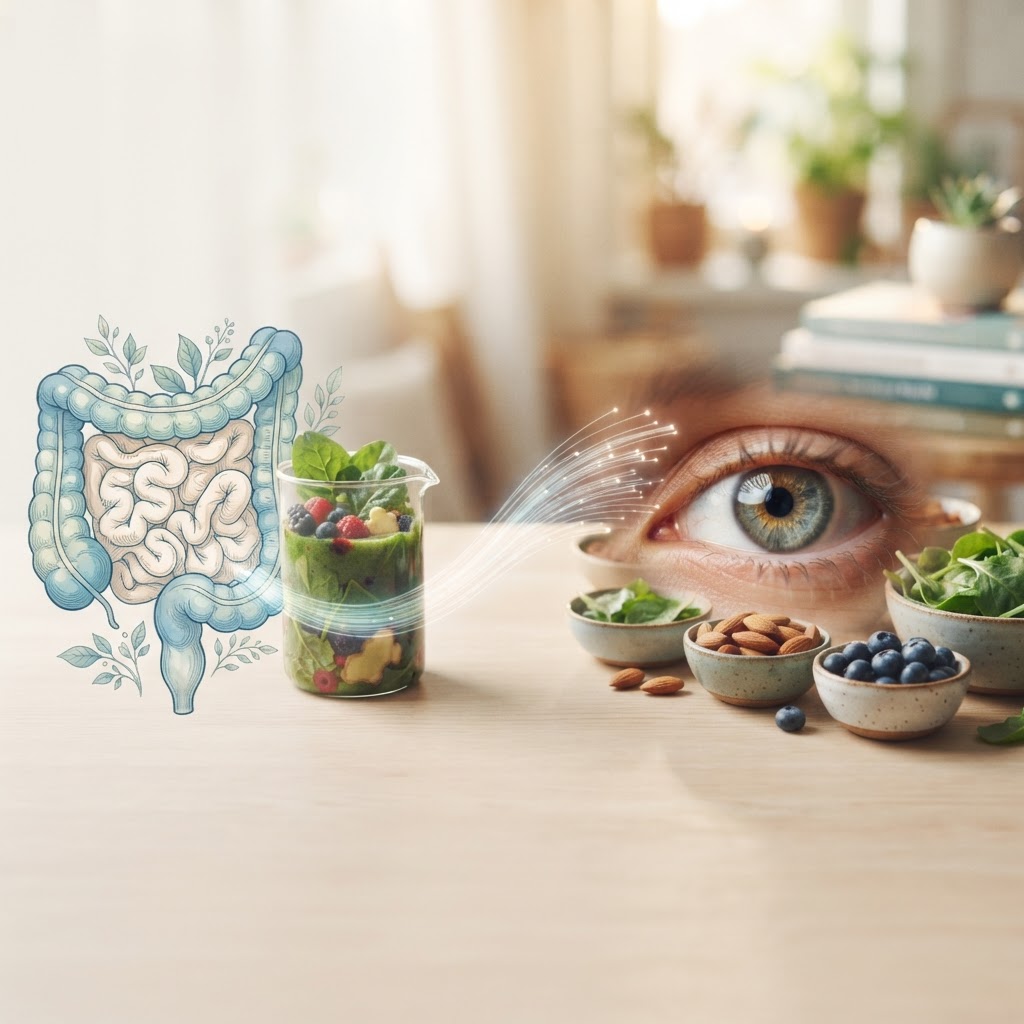
For decades, medical science treated the digestive tract and the visual system as distinct physiological silos, separated by the complex geography of the human body. Emerging research, however, reveals a sophisticated, bidirectional communication network known as the gastro-ocular axis, suggesting that the integrity of your intestinal lining may be the most overlooked factor in long-term retinal health.
Key Takeaways
- The "leaky gut" phenomenon, or intestinal permeability, allows endotoxins to trigger systemic low-grade inflammation that eventually compromises the delicate blood-retinal barrier.
- Chronic activation of the immune system due to gut dysbiosis is linked to the progression of age-related macular degeneration (AMD) and diabetic retinopathy.
- Maintaining the structural integrity of the gut lining involves managing oxidative stress and modulating the gut microbiome through targeted nutritional interventions.
- Nutritional support, such as high-quality omega-3 fish oil supplement intake, provides essential structural lipids that protect both intestinal mucosa and retinal photoreceptors.
- A comprehensive approach to ocular wellness must move beyond local eye drops and focus on systemic inflammation reduction originating in the microbiome.
The Anatomy of the Gastro-Ocular Axis
The gastro-ocular axis describes the direct link between the gut microbiome and the eye, mediated by the immune system and circulating metabolites. When the intestinal barrier becomes compromised—a state known as increased intestinal permeability—undigested food particles, bacterial toxins, and lipopolysaccharides (LPS) escape into the bloodstream. Once in systemic circulation, these inflammatory agents can travel to the highly vascularized uveal tract and retina, where they trigger inflammatory responses. According to researchers at the National Institutes of Health (NIH), this translocation of bacterial components is a primary driver of chronic, systemic "inflammaging," which accelerates the degradation of photoreceptor cells.
The retina is perhaps the most metabolically active tissue in the body, demanding a constant supply of nutrients and oxygen, which makes it particularly vulnerable to systemic inflammation. When intestinal permeability occurs, the body’s immune system releases cytokines, such as TNF-alpha and interleukin-6, to combat the perceived foreign invaders. Unfortunately, these inflammatory signals do not stay localized to the gut; they cross the blood-retinal barrier, causing oxidative stress and mitochondrial dysfunction in the retina. By viewing ocular health through the lens of the gastro-intestinal tract, patients can begin to address the root causes of vision loss rather than merely managing the symptoms.
Molecular Mechanisms of Intestinal Permeability
At the microscopic level, intestinal permeability is governed by "tight junction" proteins—specifically claudins, occludins, and zonulin—that seal the space between intestinal epithelial cells. When these junctions are disrupted, the gut becomes "leaky," permitting pathogens to enter the lymphatic system. Recent clinical studies indicate that stressors like chronic inflammation, poor diet, and imbalanced microbial flora trigger the overproduction of zonulin, which physically pulls these junctions apart. Integrating an L-glutamine powder into your daily routine is one common strategy used to support enterocyte health, as this amino acid serves as the primary fuel source for the cells lining the small intestine.
Once the barrier is breached, the body enters a state of metabolic endotoxemia. This condition is characterized by higher-than-normal levels of LPS circulating in the blood, which binds to toll-like receptors (TLRs) throughout the body, including those present in the retinal pigment epithelium (RPE). The Cleveland Clinic emphasizes that the RPE is essential for maintaining the health of the photoreceptors, as it handles the recycling of visual pigments and the clearance of metabolic waste. When the RPE is bombarded by LPS-induced inflammation, its efficiency declines, leading to the accumulation of drusen—the hallmark debris associated with macular degeneration.
Microbial Diversity and Retinal Homeostasis
The gut microbiome acts as the gatekeeper of human metabolism, influencing everything from hormonal balance to immune system maturation. A diverse microbiome produces short-chain fatty acids (SCFAs) like butyrate, which possess powerful anti-inflammatory properties that help maintain the integrity of the blood-retinal barrier. When the gut is dominated by dysbiotic or "bad" bacteria, the production of these beneficial SCFAs drops significantly. Many practitioners suggest incorporating a robust probiotic complex to help restore microbial equilibrium, thereby creating a more stable internal environment that protects ocular integrity.
The connection is so profound that researchers have found specific bacterial signatures in the stool of patients with severe retinal pathologies that differ significantly from healthy control groups. This indicates that the composition of your gut flora is not just a digestional matter, but a predictive marker for retinal resilience. Maintaining a healthy microbiome requires feeding these beneficial bacteria with prebiotic fibers, which serve as the substrate for the production of metabolites that keep systemic inflammation at bay. By prioritizing the health of the "forgotten organ"—the gut—you are effectively fortifying the ocular tissues against environmental and age-related stressors.
Oxidative Stress and the Nutritional Buffer
Oxidative stress is the final common pathway for most ocular pathologies, and it is here that the gastro-ocular axis is most evident. When the gut is inflamed, the body's antioxidant stores are quickly depleted as it attempts to neutralize the surge of free radicals generated by circulating toxins. To combat this, the retina requires a constant supply of dietary antioxidants, which are absorbed through the intestinal wall. If the wall is compromised, the absorption of fat-soluble vitamins and pigments is significantly hindered, leaving the retina exposed to blue light and metabolic waste.
The pigment layer of the retina relies heavily on carotenoids like lutein and zeaxanthin to filter high-energy blue light and reduce oxidative damage. Consuming a daily lutein and zeaxanthin supplement can help maintain these density levels, provided the gut is healthy enough to absorb them effectively. The synergy between a healthy digestive system and concentrated ocular nutrients cannot be overstated. By ensuring that the gut is capable of absorbing these protective compounds, you ensure that they reach their intended destination: the macula, where they function as an internal pair of biological sunglasses.
The Role of Systemic Inflammation in Retinopathy
Systemic inflammation is a known precursor to both diabetic retinopathy and vascular diseases of the eye. High blood sugar levels, often associated with gut-derived metabolic issues, can lead to the hardening of the capillaries that nourish the retina. As these micro-vessels become damaged, the retina experiences ischemia, or restricted blood flow, which leads to the formation of abnormal, fragile blood vessels. The Mayo Clinic notes that managing systemic inflammation through diet and gut-supportive habits is a critical component of preventing the secondary ocular complications of metabolic syndrome.
One of the most effective ways to soothe an inflamed digestive tract is through the regular consumption of nutrient-dense, gut-healing foods. Bone broth, for instance, contains collagen peptides that can help mend the mucosal lining of the stomach and intestines. Utilizing a high-quality bone broth powder is a convenient way to integrate these healing proteins into a busy lifestyle. By calming the "gut fire," you reduce the inflammatory markers that circulate in the blood and constantly irritate the delicate vascular structures within the eye.
Closing the Loop: Lifestyle and Environment
Beyond internal health, the gastro-ocular axis is influenced by environmental factors that trigger systemic stress responses. Chronic exposure to artificial light, especially in the evening, disrupts circadian rhythms which are governed by the gut-brain-eye axis. This disruption can exacerbate intestinal permeability by altering the hormonal environment that dictates gut motility and barrier health. It is wise to consider the use of blue light blocking glasses to minimize the impact of digital strain on the neurological pathways that link your visual intake to your internal biological clock.
Furthermore, managing stress is essential, as the gut and the brain communicate through the vagus nerve. When the brain senses chronic stress, the gut slows down, leading to microbial shifts that promote inflammation. Adopting simple, evidence-backed habits creates a "protective cocoon" for your vision. By addressing your ocular health as a holistic extension of your gut health, you create a system of redundancy and protection that preserves visual acuity well into your later years.
How to Apply This
- Start your day with gut-soothing nutrients: Incorporate a serving of bone broth or a glutamine supplement into your morning routine to support the mucosal lining of the intestines.
- Diversify your fiber intake: Aim for a minimum of 30 different plant-based foods per week to feed a diverse microbiome, prioritizing organic leafy greens for their high magnesium and carotenoid content.
- Optimize absorption: Take your fat-soluble supplements, such as your lutein, zeaxanthin, or fish oil, with a meal containing healthy fats to ensure they are properly absorbed by the digestive tract.
- Manage the light environment: Limit exposure to high-intensity blue light after dusk to help regulate the hormonal signals that influence both digestion and retinal repair cycles.
- Monitor systemic markers: Work with a physician to track inflammation markers like C-reactive protein (CRP), which can serve as a proxy for the level of systemic inflammation originating from the gut.
FAQ
Can gut health really impact my eyesight? Yes. Emerging evidence confirms that systemic inflammation caused by gut dysbiosis can trigger oxidative stress in the retinal pigment epithelium, contributing to the development or progression of ocular diseases.
How does "leaky gut" reach the eyes? When the intestinal barrier is compromised, bacterial endotoxins enter the bloodstream. These circulating toxins trigger the immune system to release inflammatory cytokines, which travel throughout the body and can damage the highly vascularized tissues of the eye.
What is the best way to support both gut and eye health? A holistic approach is best, focusing on an anti-inflammatory diet rich in prebiotic fibers, high-quality omega-3 fats, and supplemental support for the intestinal lining, combined with protective measures like using blue-light filtration during screen time.
Should I take probiotics for my vision? While probiotics are primarily used for gut health, their ability to reduce systemic inflammation makes them a valuable tool in an ocular wellness protocol. Consult your healthcare provider to find a strain that supports your specific microbial needs.
Disclaimer: Educational information only — not medical advice.