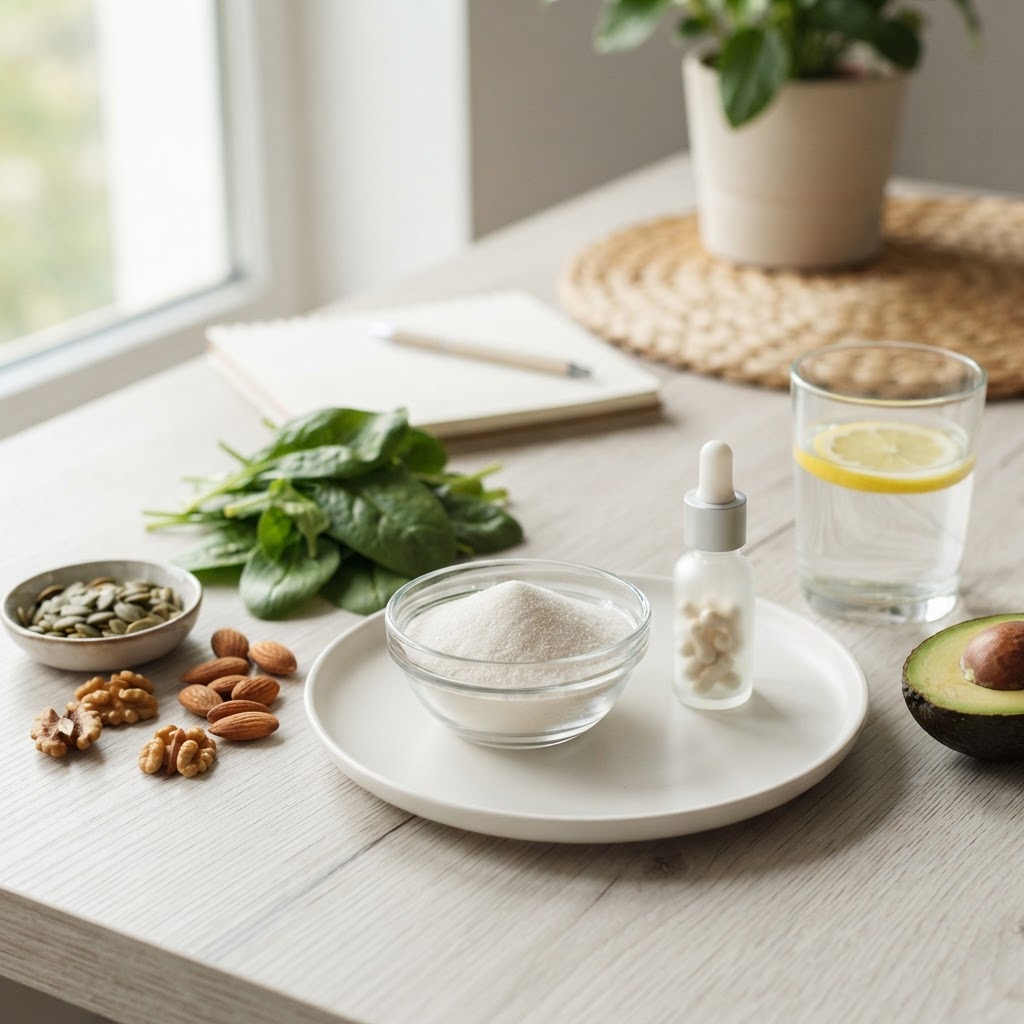
The intricate dialogue between blood glucose regulation and reproductive health remains one of the most compelling frontiers in modern metabolic research. At the center of this conversation lies myo-inositol, a naturally occurring sugar alcohol that serves as a fundamental building block for intracellular signaling.
Key Takeaways
- Myo-inositol acts as a vital insulin-sensitizing agent by modulating the activity of the phosphoinositide 3-kinase (PI3K) pathway, which is essential for glucose uptake.
- The balance between myo-inositol and d-chiro-inositol is critical for ovarian function, as these two isomers regulate different aspects of steroidogenesis and glucose metabolism.
- Clinical research suggests that targeted supplementation may help restore ovulatory function and improve metabolic markers in individuals with polycystic ovary syndrome (PCOS).
- Beyond insulin, myo-inositol influences thyroid-stimulating hormone signaling and mental health by supporting serotonin and dopamine receptor sensitivity.
- Comprehensive metabolic health often requires a synergistic approach, combining specific inositol ratios with micronutrients like chromium and magnesium.
The Biochemistry of Inositol Signaling
To understand why myo-inositol is a focal point for metabolic wellness, one must first appreciate its role as a "second messenger." When insulin binds to its receptor on the cell surface, a signal is transmitted inward, often utilizing inositol-containing compounds to facilitate the movement of GLUT4 transporters to the cell membrane. According to the National Institutes of Health (NIH), disruptions in this signaling cascade are hallmarks of insulin resistance, where cells fail to respond appropriately to circulating insulin. Myo-inositol effectively mimics insulin action in specific tissues, potentially bypassing the blockages that characterize metabolic syndrome.
Research published in the Journal of Ovarian Research indicates that myo-inositol is the most abundant isomer found in the human body, specifically within the ovarian follicular fluid. In this microenvironment, it is essential for FSH (follicle-stimulating hormone) signaling, which dictates the maturation of oocytes. When levels of myo-inositol are depleted, the follicle’s ability to respond to FSH is diminished, leading to the irregular cycles often observed in metabolic disorders. Many practitioners now suggest starting with myo-inositol powder as a baseline intervention to support these delicate signaling pathways.
The D-Chiro-Inositol Ratio Paradox
While myo-inositol is essential for glucose uptake in the ovaries, its isomer, d-chiro-inositol, is primarily involved in glycogen synthesis and insulin storage. The body maintains these in various tissues in a highly specific ratio—typically 40:1 in healthy plasma. However, studies highlighted by the Cleveland Clinic suggest that in many individuals with insulin-resistant conditions, this ratio is skewed, often due to an enzyme imbalance that inhibits the conversion of myo-inositol into d-chiro-inositol within the ovary.
Attempting to correct this requires a nuanced approach rather than simply flooding the system with one or the other. Supplementing with a dedicated d-chiro-inositol supplement can be beneficial, but it must be carefully balanced with myo-inositol to ensure that both the glucose uptake (myo-) and the glycogen storage (d-chiro-) arms of metabolism are addressed. Clinical trials have shown that when this 40:1 ratio is restored, patients frequently report improvements in cycle regularity and a decrease in hyperandrogenism markers such as excess hair growth or acne.
Synergistic Micronutrients for Metabolic Health
Inositol does not operate in a vacuum; it relies on a supporting cast of minerals to function optimally. Chromium picolinate, for instance, has been extensively studied for its role in enhancing the sensitivity of insulin receptors and improving protein, carbohydrate, and lipid metabolism. By combining chromium with inositol, users can potentially achieve a more comprehensive effect on fasting glucose levels. The Mayo Clinic notes that while dietary chromium is found in many whole foods, supplementation can provide a more consistent dose to support those struggling with glucose fluctuations.
Furthermore, systemic inflammation often complicates the metabolic landscape, which is where magnesium glycinate becomes an essential addition to the protocol. Magnesium is a cofactor for hundreds of enzymatic reactions, including those that regulate blood sugar levels. Many women experiencing cycle irregularities are also found to be clinically deficient in magnesium due to chronic stress and metabolic demand. By alleviating systemic inflammation and supporting neuromuscular function, magnesium creates a more stable environment for inositol to exert its signaling effects.
Glycemic Control and Ovarian Microenvironments
Managing the body’s glucose response is not merely about avoiding refined sugars; it is about managing the glycemic load on a cellular level. Tools such as a continuous glucose monitor (CGM) have revolutionized how we track these responses, providing real-time data on how specific foods or stress triggers affect insulin release. For an individual monitoring their metabolic health, the CGM acts as a feedback loop, allowing for adjustments in diet and lifestyle to ensure that glucose spikes are kept to a minimum, thereby reducing the "noise" that interferes with hormone signaling.
Dietary patterns also play a critical role in supporting the benefits of inositol. Incorporating fiber-rich, low-glycemic foods helps maintain stable glucose, which in turn reduces the demand on the insulin-signaling pathways. Adding organic flax seeds to one’s daily routine provides a potent source of lignans and omega-3 fatty acids, which can further reduce systemic inflammation. These dietary interventions act as a substrate-based support system that allows the signaling pathways modulated by inositol to function with greater efficiency.
The Role of Spices in Glucose Management
In the pursuit of metabolic homeostasis, traditional culinary practices often hold evidence-backed keys to success. Organic Ceylon cinnamon has been shown in various meta-analyses to potentially improve insulin sensitivity and lower fasting blood glucose. Unlike the common Cassia variety, Ceylon cinnamon contains lower levels of coumarin, making it a safer choice for long-term daily consumption. When used as part of an overall strategy, it helps blunt the glucose spikes that occur after carbohydrate consumption.
This reduction in postprandial glucose is significant because high circulating glucose can lead to a condition known as glucotoxicity, which inhibits the proper function of the ovaries. By stabilizing blood sugar through both inositol signaling and the inclusion of botanical allies, the body is better positioned to prioritize reproductive and metabolic health. It is a multi-pronged approach: the inositol helps the cells listen to insulin, while the spices and fiber help keep the insulin signal from being overwhelmed.
Integrating Lifestyle and Supplementation
True health is found in the synthesis of supplementation and daily habit. While products like inositol, chromium, and magnesium provide the biochemical "fuel," the "engine" is maintained through movement and rest. Studies from the WHO emphasize that physical activity significantly enhances insulin-stimulated glucose uptake in skeletal muscle, effectively lowering the overall glucose burden on the body. This creates a state where the inositol signaling pathways are less taxed and more responsive.
Consistency is perhaps the most critical factor when beginning any wellness regimen. Inositol, in particular, often requires a period of three to six months to show significant changes in endocrine markers, such as the restoration of ovulation or improvements in skin health. It is not an overnight fix but rather a foundational shift in how the body handles glucose and interprets hormonal signals. By monitoring progress, perhaps through cycle tracking or CGM data, individuals can better understand their unique body's response to these evidence-based interventions.
How to Apply This
- Assess your metabolic baseline: Before starting a regimen, consult with a healthcare professional to check your fasting insulin and glucose levels to identify potential areas of concern.
- Prioritize the 40:1 ratio: If opting for inositol supplementation, look for products that mirror the physiological 40:1 ratio of myo-inositol to d-chiro-inositol for optimal systemic support.
- Monitor with technology: Use a continuous glucose monitor for a two-week period to observe how your current diet impacts your glucose stability, and adjust your intake of high-glycemic foods accordingly.
- Build a foundational stack: Consider starting with myo-inositol powder in the morning, followed by magnesium glycinate in the evening to support both glucose metabolism and sleep quality.
- Optimize your pantry: Incorporate small, daily portions of organic flax seeds and Ceylon cinnamon into your morning meals to provide natural fiber and botanical support for blood sugar management.
FAQ
How long does it take to see results from myo-inositol? Clinical studies typically suggest a minimum of 3 to 6 months of consistent use to observe significant improvements in ovulatory regularity and metabolic markers.
Is it safe to combine these supplements with standard medications? Always consult your primary care physician or an endocrinologist before starting any new supplement regimen, especially if you are currently taking metformin, hormonal birth control, or other glucose-regulating medications.
Why does the ratio of inositol matter so much? The body uses myo-inositol and d-chiro-inositol for distinct functions; the 40:1 ratio reflects the natural balance found in the body, and disrupting this ratio can lead to unintended effects on insulin storage vs. glucose signaling.
Can men benefit from myo-inositol supplementation? Yes, while often discussed in the context of ovarian health, myo-inositol is also being studied for its role in sperm quality and metabolic health in men, as the underlying insulin-sensitizing mechanisms are similar.
What is the best time of day to take these supplements? Most practitioners recommend taking inositol in divided doses with meals to maximize absorption, while magnesium glycinate is often taken in the evening due to its relaxing, nerve-soothing properties.
Disclaimer: Educational information only — not medical advice.