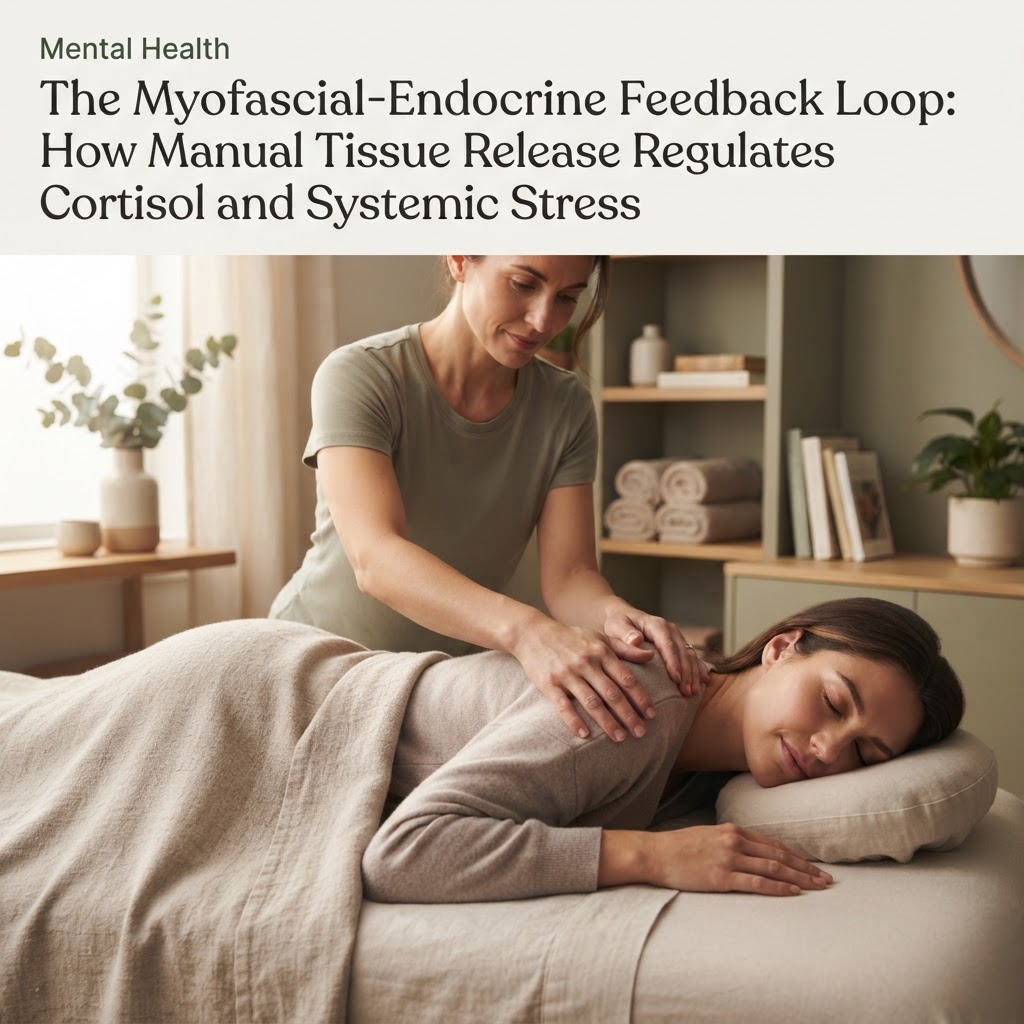
For decades, the standard approach to chronic stress focused almost exclusively on cognitive-behavioral interventions and neurochemistry, largely ignoring the physiological container in which these processes occur: the fascia. New research suggests that by manipulating this dense, connective web, we can trigger a bottom-up signaling cascade that effectively recalibrates the endocrine system and dials back the body’s alarm response.
Key Takeaways
- Chronic stress creates a physical feedback loop where myofascial restrictions trigger the HPA axis, further reinforcing muscular tension and hormonal dysregulation.
- Fascia is a highly innervated organ, rich in mechanoreceptors that send direct signals to the autonomic nervous system, effectively acting as an interface between physical touch and hormonal balance.
- Manual tissue release, ranging from self-myofascial techniques to professional therapy, can lower systemic cortisol levels by shifting the body from a sympathetic "fight-or-flight" state into a parasympathetic "rest-and-digest" state.
- Incorporating tools like a high density foam roller allows for consistent, low-level mechanical stimulation that helps desensitize the nervous system over time.
- Integrating supportive modalities such as a magnesium glycinate supplement can further facilitate the physical relaxation of myofascial fibers, creating a synergistic effect on overall endocrine health.
The Architectural Intelligence of Fascia
Fascia is no longer viewed merely as the "packaging" for our muscles; it is now recognized by the medical community as a complex, sensory-rich organ system. According to the Journal of Bodywork and Movement Therapies, fascia is densely populated with mechanoreceptors, specifically Golgi tendon organs and interstitial receptors, which act as the body’s primary sensors for mechanical stress. When we exist in a state of chronic psychological stress, our muscles remain in a state of low-grade contraction, which eventually leads to the dehydration and densification of the surrounding fascial planes.
This physical restriction acts as a persistent "noise" in the nervous system, signaling to the brain that the body is under threat. As the Cleveland Clinic notes, when the body perceives physical tension as a chronic state, it can lead to the sustained release of cortisol, the body’s primary stress hormone. By understanding fascia as a communicative medium, we can begin to see manual release not just as a way to "loosen" muscles, but as a direct communication pathway to the endocrine system.
The HPA Axis and Mechanical Feedback
The Hypothalamic-Pituitary-Adrenal (HPA) axis is the central conductor of the body’s stress response. In a healthy state, this axis fires in response to acute threats and then returns to homeostasis. However, persistent myofascial adhesions provide a constant, low-level stimulation that can keep the HPA axis stuck in an "on" position. This creates a vicious feedback loop: stress causes physical tension, and physical tension prevents the downregulation of stress hormones.
Research published by the NIH indicates that manual pressure can shift the autonomic nervous system from sympathetic dominance to parasympathetic activity. When we apply targeted pressure to these adhesions using a deep tissue massage tool, we provide a localized stimulus that the brain registers as a signal of safety. This sensory input overrides the "danger" signals generated by tight tissue, allowing the hypothalamus to stop its constant signal for cortisol production, effectively lowering the systemic load on the endocrine glands.
The Role of Mechanoreceptors in Stress Regulation
Mechanoreceptors in the fascia are highly sensitive to the rate, intensity, and duration of touch. Studies suggest that slow, sustained pressure is more effective at calming the nervous system than rapid or superficial movement. This is because slow pressure effectively engages the vagus nerve—the "wandering nerve" responsible for maintaining heart rate, digestion, and respiratory function—which promotes a state of calm.
For individuals attempting to self-regulate at home, utilizing a vibrating therapy massage gun can be particularly effective. The high-frequency vibration provides an additional layer of sensory input that distracts the nervous system from its pain signals while increasing local blood flow. This improves tissue hydration and oxygenation, which are critical for the proper functioning of the local endocrine environment and the breakdown of inflammatory mediators that contribute to systemic exhaustion.
Synergistic Support: Nutrition and Structural Health
While mechanical release is powerful, it is most effective when paired with internal biochemical support. Fascia is largely composed of collagen and elastin, which require specific nutrients to remain supple and resilient. A magnesium glycinate supplement serves as a vital cofactor in over 300 biochemical reactions, including the regulation of muscle contraction and nerve transmission. By ensuring systemic magnesium levels are adequate, the physical work done on the fascia is more easily maintained by the body.
Furthermore, the integration of structural education is essential for long-term health. Following a structured routine from a reputable foam rolling instruction book can help the user understand the interconnected nature of the body’s kinetic chains. By addressing the entire fascial web—rather than just the site of pain—one can effectively reduce the total "tension budget" of the body, allowing the endocrine system to rest and recover from the demands of modern life.
Navigating Fascial Restrictions for Emotional Release
In clinical settings, many practitioners note that the release of chronic physical tension often coincides with a release of emotional tension. The link between the limbic system (our emotional center) and the fascial network is strong; trauma is often physically stored in the body’s myofascial architecture. By using myofascial release yoga blocks during a restorative practice, an individual can move into deep, supported stretches that allow the body to relinquish its "armoring."
This process is not necessarily "emotional" in a psychological sense, but rather a biological release. When the myofascial system softens, the physical barriers that protect us during a perceived crisis are dismantled. This allows the endocrine system to recalibrate its baseline settings, moving from a hyper-aroused state to one of neutral alertness. Regular, consistent practice is the key to teaching the nervous system that it is safe to let go.
Integrating Modern Technology and Ancient Wisdom
Combining the precision of modern tools with the wisdom of slow, mindful movement creates an optimal environment for hormonal regulation. We are seeing a shift in wellness, where the distinction between "fitness" and "endocrine health" is blurring. Using an adjustable heating pad after a session of manual release further promotes vasodilation, ensuring that the tissues remain pliable and the nervous system remains in a parasympathetic state.
When you apply heat, the collagen fibers in the fascia become more viscous, making it easier to improve mobility and reduce the mechanical pull on the musculoskeletal system. This heat also encourages the release of endorphins, the body’s natural painkillers, which further support the inhibition of cortisol. By viewing these tools as components of a holistic endocrine strategy, you transition from "fixing" a symptom to "managing" your systemic physiological landscape.
How to Apply This
- Establish a Daily Baseline: Spend 10 minutes each evening using a high density foam roller to address major muscle groups like the quadriceps, lats, and glutes to downregulate the nervous system before sleep.
- Target Specific Tension: Identify "hot spots" of chronic tightness and utilize a deep tissue massage tool to apply 30-60 seconds of sustained pressure, focusing on slow, rhythmic breathing.
- Supplement Wisely: Incorporate a magnesium glycinate supplement into your nightly routine to ensure muscles have the necessary minerals to remain relaxed between manual sessions.
- Practice Restorative Movement: Use myofascial release yoga blocks to support gentle, long-duration stretches that target the hips and thoracic spine, areas that frequently hold stress-induced tension.
- Monitor Your Energy: Keep a brief log of your energy levels and mood; notice how consistent fascial work correlates with better sleep quality and reduced feelings of irritability or urgency during the day.
FAQ
Can fascial release replace professional mental health care? No. While manual tissue release significantly assists in regulating the physiological stress response, it should be viewed as a complementary practice to, not a replacement for, professional therapy or medical care for mental health conditions.
How often should I perform these techniques to see results? Consistency is more important than duration. Even 5-10 minutes of daily work on myofascial release is more effective for long-term endocrine regulation than a single hour-long session once a week.
Why does my body feel "sore" after myofascial release? Mild discomfort or "good pain" is common when releasing long-standing adhesions. However, if you experience sharp or shooting pain, stop immediately and reduce the intensity of your pressure.
Are there contraindications to these methods? Individuals with inflammatory conditions, blood clotting disorders, or recent injuries should consult with a physician before beginning a rigorous regimen of manual tissue release to ensure it is appropriate for their specific health status.
Disclaimer: Educational information only — not medical advice.