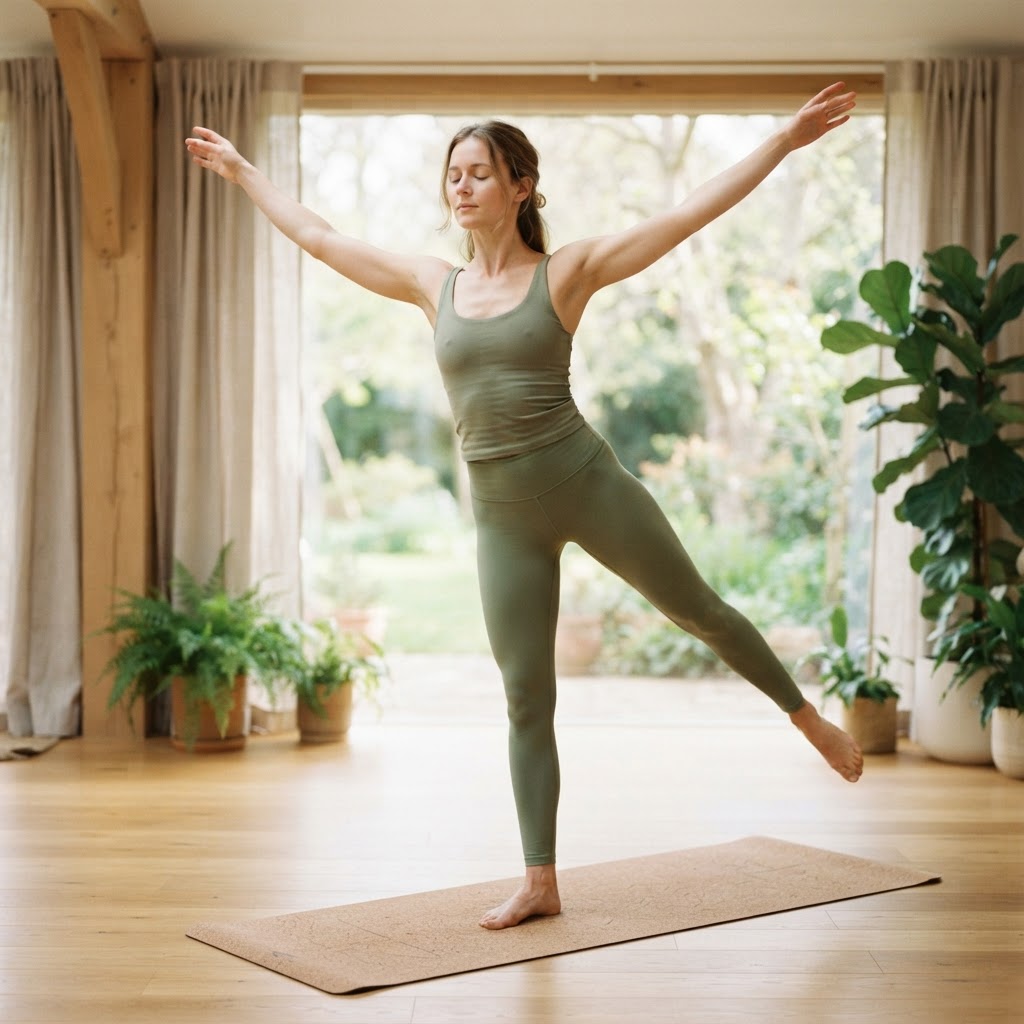
For decades, the fields of biomechanics and neurology operated in silos, treating the body’s structural fascia and the inner ear’s vestibular system as independent actors in the drama of human movement. Recent advances in sensory integration research reveal that these systems are inexorably linked, creating a continuous feedback loop that dictates not just our physical balance, but our fundamental autonomic state of safety or stress.
Key Takeaways
- The fascial network acts as a global sensory organ, transmitting mechanical tension data directly to the central nervous system to refine postural control.
- Vestibular-autonomic coupling explains why chronic instability often manifests as anxiety, heart rate variability (HRV) suppression, or digestive distress.
- Proprioceptive enrichment—utilizing targeted tools to increase sensory feedback—can recalibrate the brain’s map of the body, leading to improved movement efficiency.
- Myofascial release techniques serve to clear "noise" from the mechanoreceptor network, allowing for higher fidelity communication between the skin, muscles, and the cerebellum.
- Integrating balance-focused modalities into daily movement patterns serves as a top-down regulator for the nervous system, potentially shifting the body from a sympathetic "fight-or-flight" state to a parasympathetic "rest-and-digest" state.
The Neurological Architecture of Postural Stability
The human body’s ability to remain upright while navigating gravity relies on a triad of sensory inputs: vision, the vestibular system (inner ear), and proprioception (sensory feedback from muscles and joints). While the vestibular system provides data about head orientation and angular acceleration, it is the myofascial network—the complex web of connective tissue surrounding muscles and organs—that acts as the primary conduit for proprioceptive input. Research published in the Journal of Bodywork and Movement Therapies suggests that fascia is densely populated with mechanoreceptors, including Ruffini endings and Pacinian corpuscles, which respond to shear and pressure. When these receptors are functioning optimally, they provide the brain with real-time updates on body position, allowing the vestibular system to make micro-adjustments that prevent falls and conserve energy.
When the fascial network becomes restricted or chronically dehydrated, this sensory signaling becomes distorted or "noisy." The brain, receiving conflicting information between the inner ear and the localized muscles, defaults to a state of protective guarding, which often increases muscular tone and reduces autonomic flexibility. This phenomenon is closely monitored by the Mayo Clinic, which emphasizes that prolonged physical instability can lead to chronic fatigue and neural signaling inefficiencies. By manually addressing fascial health using a high-density foam roller, individuals can mechanically stimulate these receptors, effectively "rebooting" the sensory data stream before engaging in complex movement.
Vestibular-Autonomic Coupling and the Stress Response
The vestibular system is not strictly for balance; it is structurally tied to the autonomic nervous system (ANS) through the vestibular nuclei, which possess direct pathways to the hypothalamus and the amygdala. This means that a deficit in vestibular input—often exacerbated by poor proprioceptive feedback—can be interpreted by the brain as an existential threat. When our internal maps of the world are imprecise, the body often responds with a sympathetic nervous system uptick, increasing heart rate and cortisol production. This is the physiological basis for why many people report feeling "unsettled" or anxious when their physical core is weak or uncoordinated.
To mitigate this, clinicians have begun emphasizing the role of sensory input in calming the autonomic nervous system. By placing the body in novel but safe unstable environments, we force the nervous system to improve the speed and accuracy of its vestibular-proprioceptive calibration. Using a bosu ball for basic standing drills encourages the deep stabilizers to synchronize with the inner ear’s sensory data, potentially lowering the neural "threat" level. As stability improves, the ANS often shows a concurrent rise in heart rate variability, a gold-standard metric for recovery and nervous system resilience.
Fascial Release as a Neurological "Reset"
The health of the fascial network is heavily dependent on the quality of movement and the ability to distribute load across the entire kinetic chain. When specific muscle groups are overworked or inhibited, the fascia compensates by creating dense, thickened zones that impede normal gliding. These zones not only restrict range of motion but also dampen the sensitivity of the proprioceptors located within them. Using lacrosse balls to target these specific "stuck" areas—particularly around the soles of the feet, the thoracic spine, and the hips—can restore localized sensory resolution.
By applying precise pressure, we are not just loosening tissue; we are facilitating a neurological de-escalation of localized muscle tension. According to guidelines from the Cleveland Clinic, addressing myofascial trigger points can improve the overall efficacy of movement patterns, reducing the compensatory load on the vestibular system. When the feet and hips provide clear, crisp data to the cerebellum, the brain requires less computational power to maintain balance. This reduction in cognitive load is essentially the definition of athletic grace, allowing the nervous system to focus on performance rather than survival.
Proprioceptive Enrichment and Cognitive Integration
Proprioceptive enrichment is the practice of increasing the diversity and intensity of sensory inputs to the central nervous system. The brain, according to the principles of neuroplasticity, thrives on complexity; when we challenge the proprioceptive system, we are essentially training the brain’s map of the body to be more granular. Simple standing exercises are rarely enough to reach this threshold of "enrichment" once an individual has reached a baseline level of fitness. Instead, integrating sensory-dense equipment allows for a more robust neurological challenge.
For instance, performing slow, controlled movements on a high-traction yoga mat allows for better kinesthetic awareness compared to performing them on a slick or unstable surface. Once confidence is established, transitioning to a balance board forces the brain to reconcile rapid shifts in surface inclination with vestibular output. This creates a powerful training stimulus that strengthens the neural pathways between the cerebral cortex, the cerebellum, and the proprioceptive mechanoreceptors. By consistently exposing the system to these variables, we build a more resilient vestibular-myofascial connection that protects against future injury and autonomic dysregulation.
The Role of External Loading and Grounding
While sensory enrichment focuses on instability, the application of targeted external loads can help the nervous system "anchor" itself in space. The use of a weighted vest during walking or low-impact exercise can increase the sensory feedback from the joints and the vestibular system, providing a sense of grounding. This is particularly useful for individuals who suffer from "sensory overwhelm," as the added pressure acts as a constant, reliable input that helps the brain track body position more accurately.
This type of "weighted" proprioception acts as a bridge between the physical and autonomic systems, helping to dampen the erratic impulses that can occur during high-stress states. When combined with correct movement patterns, the load provides a feedback mechanism that teaches the body to align itself more efficiently against gravity. The goal is to move from a state of "reactive" balance, where the body is constantly fighting to stay upright, to a state of "proactive" stability, where the nervous system instinctively knows how to manage internal and external pressures.
Long-term Autonomic Stability Through Movement
The integration of these techniques is not a short-term fix but a long-term strategy for maintaining the structural and systemic integrity of the body. As we age, the acuity of our sensory systems naturally declines, often leading to a conservative, stiff movement style that further limits our ability to manage gravity. By practicing routine myofascial maintenance and sensory enrichment, we can effectively forestall these declines. This is supported by data from the World Health Organization (WHO) regarding the importance of balance and functional strength as critical indicators of long-term healthy aging.
When the myofascial-vestibular sync is optimized, the body functions as a single, coherent unit. Movement becomes an effortless byproduct of a healthy sensory system rather than a calculated, conscious effort. This autonomic stability has ripples throughout the entire body, from improved sleep quality and digestion to enhanced mental clarity. By treating movement as a form of neurological self-care, we ensure that our vestibular and fascial systems continue to support our highest functional potential for years to come.
How to Apply This
- Conduct a Daily Proprioceptive Audit: Start your morning by standing on one leg for 30 seconds per side. If this feels "jittery," your brain is currently struggling to integrate vestibular and fascial data.
- Scheduled Fascial Maintenance: Spend 5-10 minutes each evening using a foam roller or lacrosse balls. Focus on areas of tension in the feet, calves, and thoracic spine to improve the clarity of the signals reaching your brain.
- Progressive Unstable Training: Once comfortable with basic balance, introduce a balance board into your routine. Start with just 3-5 minutes daily to force the vestibular system to adapt to new levels of uncertainty.
- Weighted Movement: Incorporate a weighted vest during your regular walks. The added mass provides "proprioceptive anchors" that help the brain map your body’s center of gravity more effectively.
- Mindful Movement Practice: During your exercise, move slowly enough to feel your feet gripping your yoga mat. The goal is to maximize the sensory feedback from your extremities to keep the cerebellum fully engaged.
FAQ
Q: Can myofascial release really help my anxiety? A: Yes, by reducing "noise" in the nervous system. When your muscles and connective tissues are chronically tight, they send constant "stress" signals to the brain. Releasing this tension via myofascial techniques can help shift the nervous system back toward a parasympathetic state.
Q: How do I know if my vestibular system is the problem? A: Common signs include dizziness when moving the head quickly, feeling "off-balance" in crowds, or difficulty tracking objects. If you experience these, consult a physical therapist who specializes in vestibular rehabilitation.
Q: Is it better to train barefoot or with shoes? A: Training barefoot or in minimalist shoes generally provides significantly more proprioceptive feedback from the ground. However, if you have specific structural foot issues, consult a professional to ensure your mechanics are sound before abandoning supportive footwear.
Q: How long does it take to see improvements in balance? A: Neurological adaptation can happen surprisingly fast, often within 2–4 weeks of consistent, intentional balance training. However, lasting structural changes to the fascia may take several months of regular maintenance.
Disclaimer: Educational information only — not medical advice.