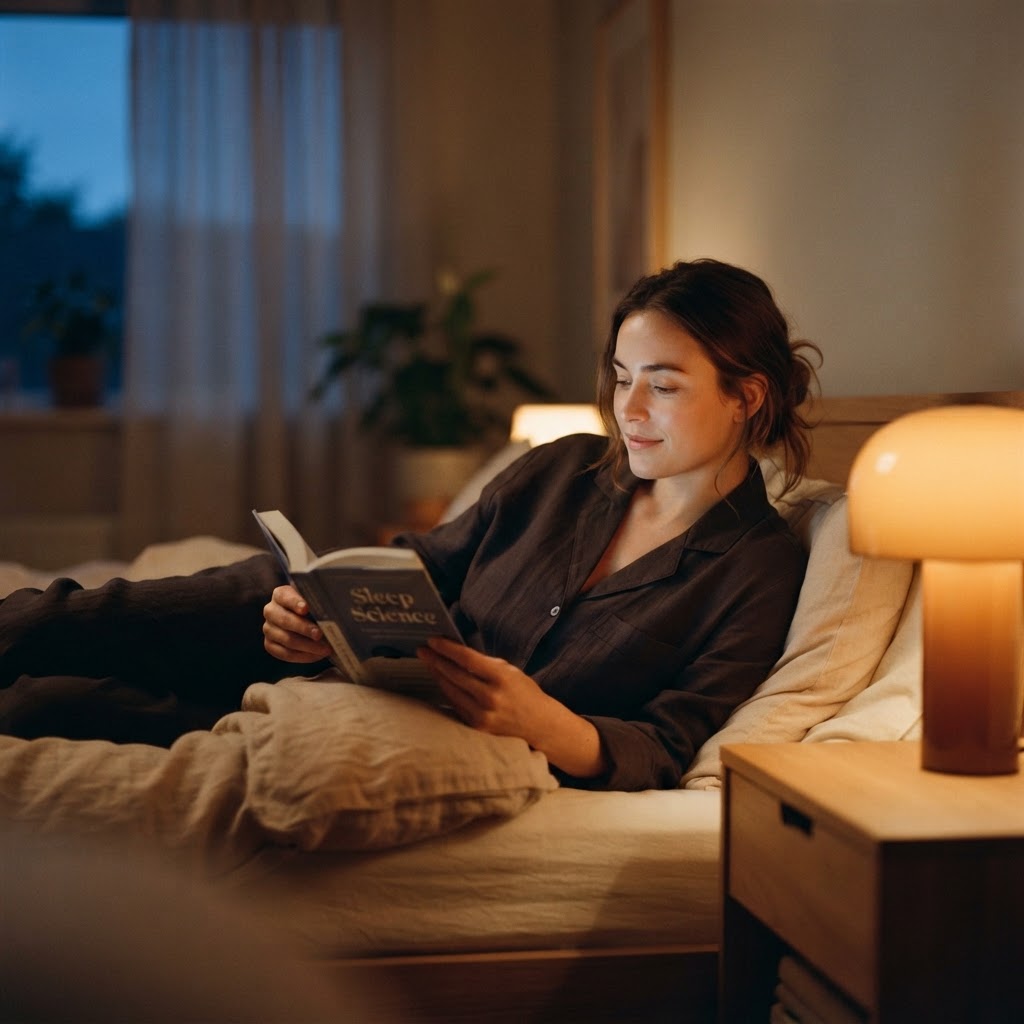
Modern life has tethered us to a world of high-intensity artificial illumination, effectively decoupling our biology from the ancestral rhythm of the rising and setting sun. By understanding the ocular-circadian axis, we can reclaim our internal clock and optimize the nocturnal synthesis of melatonin for restorative health.
Key Takeaways
- The intrinsically photosensitive retinal ganglion cells (ipRGCs) are the primary biological conduits that translate light exposure into circadian signals.
- Short-wavelength light, specifically in the 450–480 nanometer range, exerts a suppressive effect on the pineal gland’s melatonin production.
- Implementing a strict "lumen hygiene" protocol after sunset can significantly enhance sleep latency and architecture without requiring pharmacological intervention.
- The ocular-circadian link is not merely about sleep; it influences systemic metabolism, mood regulation, and immune function through clock-gene expression.
- Strategic management of environmental light provides a non-invasive, evidence-based method to synchronize the master clock located in the suprachiasmatic nucleus (SCN).
The Physiology of the Ocular-Circadian Axis
For decades, science viewed the human eye through a narrow lens, focusing primarily on rods and cones as the sole visual receptors. However, the discovery of intrinsically photosensitive retinal ganglion cells (ipRGCs) in the early 2000s fundamentally shifted our understanding of human physiology. These specialized cells contain melanopsin, a photopigment that is uniquely sensitive to short-wavelength blue light, acting as a biological sensor that bypasses the visual cortex to communicate directly with the suprachiasmatic nucleus (SCN) of the hypothalamus. According to the National Institutes of Health (NIH), the SCN serves as the master pacemaker, coordinating the rhythmic behavior of peripheral clocks in virtually every organ system in the body. When these cells detect intense blue light at night, they signal the SCN to inhibit the pineal gland, effectively halting the release of melatonin.
The suppression of melatonin is an evolutionary safeguard meant to keep the organism alert during daylight hours, but in the era of LED screens, this mechanism works against modern sleep health. Research published by the Harvard Medical School suggests that even moderate exposure to indoor light—let alone the concentrated blue light from smartphones—can shift circadian phase and impair sleep quality. Because these ipRGCs have a peak sensitivity near 460-480 nanometers, modern digital displays act as a potent stimulant, tricking the brain into believing it is high noon. Addressing this requires a systemic shift in how we approach our evening environment, transitioning from high-intensity lighting to warmer, longer-wavelength spectra.
Decoding the Spectrum: Why Blue Light Disrupts Melatonin
Melatonin, often referred to as the "hormone of darkness," is synthesized from the amino acid tryptophan through a series of biochemical pathways in the pineal gland. Its production is highly sensitive to environmental signals, particularly the presence of light, which acts as a "zeitgeber" or time-giver. Clinical studies cited by the Cleveland Clinic confirm that the presence of blue light inhibits the production of melatonin by signaling the brain that the day is continuing. This creates a physiological conflict, where the brain remains in a high-alert "day mode" while the body’s metabolic processes are attempting to enter a reparative nocturnal state.
To mitigate this, many individuals turn to blue light blocking glasses to physically filter out the short-wavelength light emitted by televisions and computer monitors. By wearing these, one effectively lowers the stimulation of the ipRGCs, allowing the SCN to perceive a "sunset" environment even if artificial lights are present. This does not merely "help" sleep; it prevents the biological disruption of the endogenous rhythm. Research from the Mayo Clinic highlights that chronic circadian misalignment—caused by repeated evening light exposure—is linked to long-term health risks including metabolic syndrome, insulin resistance, and mood disturbances.
The Role of Lighting Infrastructure in Circadian Alignment
Beyond glasses, the structural light in our homes plays a massive role in how our endocrine system responds to the passage of time. Most residential lighting uses cool, white LEDs that emit a broad spectrum, including the problematic blue wavelengths that keep us awake. Replacing high-intensity fixtures with amber light bulbs is a highly effective way to shift the spectral output of a bedroom or living area. These bulbs emit wavelengths that the ipRGCs are significantly less sensitive to, thereby allowing the body to begin its natural "ramp up" to melatonin synthesis.
Furthermore, integrating smart dimmable light bulbs throughout the home allows for a more nuanced approach to light management. These devices can be programmed to gradually reduce both intensity and color temperature as the evening progresses, mimicking the natural transition from the intense white of mid-day sunlight to the golden hues of twilight. By controlling the "lumen budget" of your home, you can create an environment that encourages homeostasis. According to the World Health Organization (WHO), maintaining this alignment is essential for cognitive performance, as even slight disruptions in the circadian clock can lead to persistent daytime fatigue and reduced executive function.
Strategic Environmental Control for Pre-Sleep
For many, the transition to sleep is hindered not just by light, but by the "noise" of modern living. Creating a darkened environment is the final step in the ocular-circadian ritual. Using a high-quality sleep mask can be instrumental for those living in urban environments where light pollution (street lamps, neighboring buildings) penetrates the bedroom. Even small amounts of light hitting the eyelids can reduce melatonin production, making a mask an essential tool for "darkness training" the brain. By removing all possible light signals, you provide the SCN with the signal it needs to initiate deep sleep.
While light management is the primary lever for circadian health, nutritional support can also play a synergistic role. For those who struggle to settle into sleep, incorporating magnesium glycinate can provide the necessary nervous system support to transition into a calm, relaxed state. Magnesium is a vital mineral that assists in the regulation of neurotransmitters directly related to sleep hygiene. Combining light control with the physiological support of magnesium can help restore the delicate balance between the sympathetic and parasympathetic nervous systems, ensuring that when you finally do hit the pillow, your body is biologically ready to enter REM and deep sleep cycles.
Biological Rhythms and the Future of Health
The ocular-circadian link extends far beyond just "getting a good night's sleep." The timing of our light exposure informs the transcriptional rhythms of clock genes like BMAL1 and CLOCK, which orchestrate cellular repair, glucose regulation, and protein synthesis. When these genes are chronically desynchronized from the environmental solar cycle, our health suffers at the cellular level. Modern research is increasingly pointing to light-timing as a fundamental pillar of preventative medicine, on par with nutrition and exercise.
For those who find their sleep schedules drift significantly over time, using a sleep tracking ring can provide the data necessary to monitor these rhythms objectively. By viewing trends in heart rate variability (HRV), resting heart rate, and sleep latency, you can see the direct impact of your evening light habits on your recovery scores. If you notice that your deep sleep is consistently low, observing your exposure to blue-light-emitting devices in the two hours before bed can often reveal the culprit. By tracking these metrics, you transform your lifestyle from a game of guesswork into a targeted, evidence-based approach to wellness.
How to Apply This
- Sunset Simulation: Two hours before your planned bedtime, replace overhead lights with warm, low-intensity sources or use smart dimmers set to 20% intensity.
- Spectrum Filtering: If you must use digital devices after sunset, wear high-quality blue light blocking glasses to shield your retinas from the specific wavelengths that trigger the ipRGCs.
- Total Darkness: Utilize a sleep mask to ensure that even subtle ambient light from streetlights or electronics does not reach your eyes during your sleep cycle.
- Supplement for Calm: Introduce magnesium glycinate into your evening routine to facilitate relaxation and support the nervous system as you transition away from the day’s activities.
- Track Your Rhythms: Use a sleep tracking ring to correlate your "digital sunset" time with your nightly sleep architecture, adjusting your light exposure based on your recovery data.
FAQ
Q: Can I just turn my screen brightness down instead of using blue light filters? A: Lowering brightness reduces intensity, but it does not remove the blue spectrum. To effectively protect your melatonin synthesis, you must shift the color temperature or use physical filters to block the short-wavelength light.
Q: Does it matter if the light is on my skin or only in my eyes? A: Circadian signals are primarily mediated by the eyes through the ipRGCs. While there is minor evidence of dermal light sensitivity, the retinal pathway is the master regulator of the SCN.
Q: How long does it take for melatonin production to restart after being exposed to bright light at night? A: Once the ipRGCs signal the SCN, the inhibition of the pineal gland can last for 30–60 minutes after the light is removed. Consistent darkness is key to allowing production to fully ramp up.
Q: Can I use amber lights all day to help my sleep? A: No. We need bright, blue-enriched light during the morning and afternoon to suppress melatonin and maintain healthy cortisol rhythms. Amber light should be reserved for the evening hours to signal the transition to rest.
Disclaimer: Educational information only — not medical advice.